How Much Does It Cost to Start a Clothing Brand?
A clothing brand can cost $400 or $43,000 to start. The model decides the budget, so this guide prices each step in launch order, with official fees checked and a full cost table at the end.
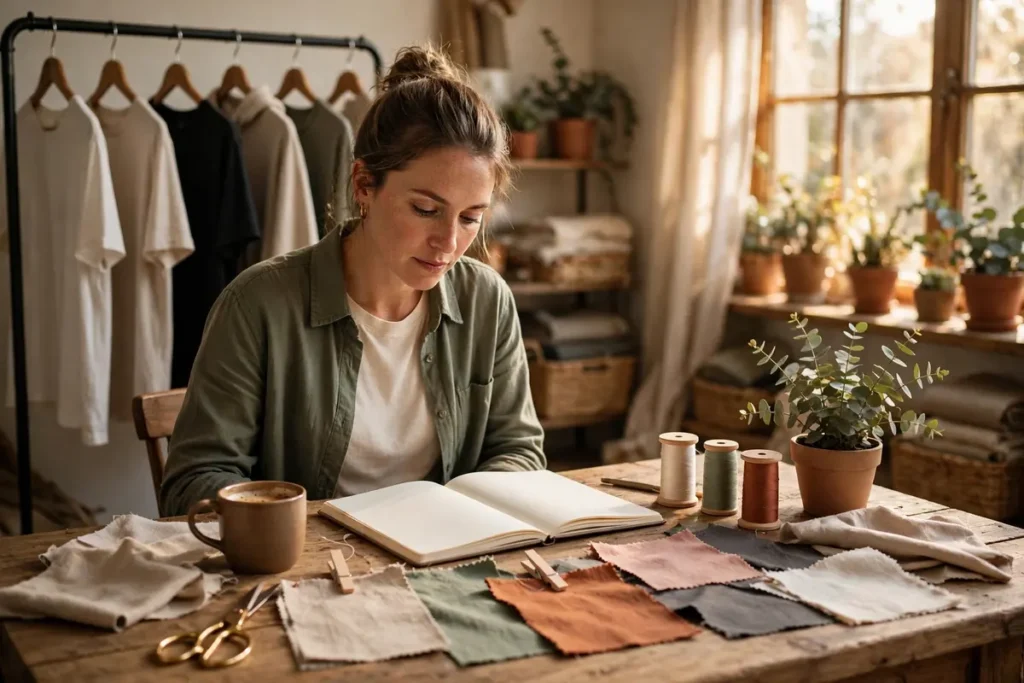
A clothing brand can cost $400 to launch, or $43,000. The difference is the model you choose. A lean print-on-demand test runs about $400 to $1,500, a small batch first collection about $5,000 to $13,000, and a fully custom line about $16,000 to $43,000. The rest of this guide shows where each dollar goes.
So how much does it cost to start a clothing brand? This guide prices every step in launch order, from paperwork to the first sale, with official fees checked on 23 November 2026. Our step-by-step guide to starting a clothing brand covers the whole route; this guide puts a price on each part of it.
Key Takeaway: The model decides the budget. Print-on-demand needs almost no stock money, a small batch run needs a few thousand dollars, and a custom line needs ten times that. Pick the model first, then add up the costs below.
The one decision that sets your budget
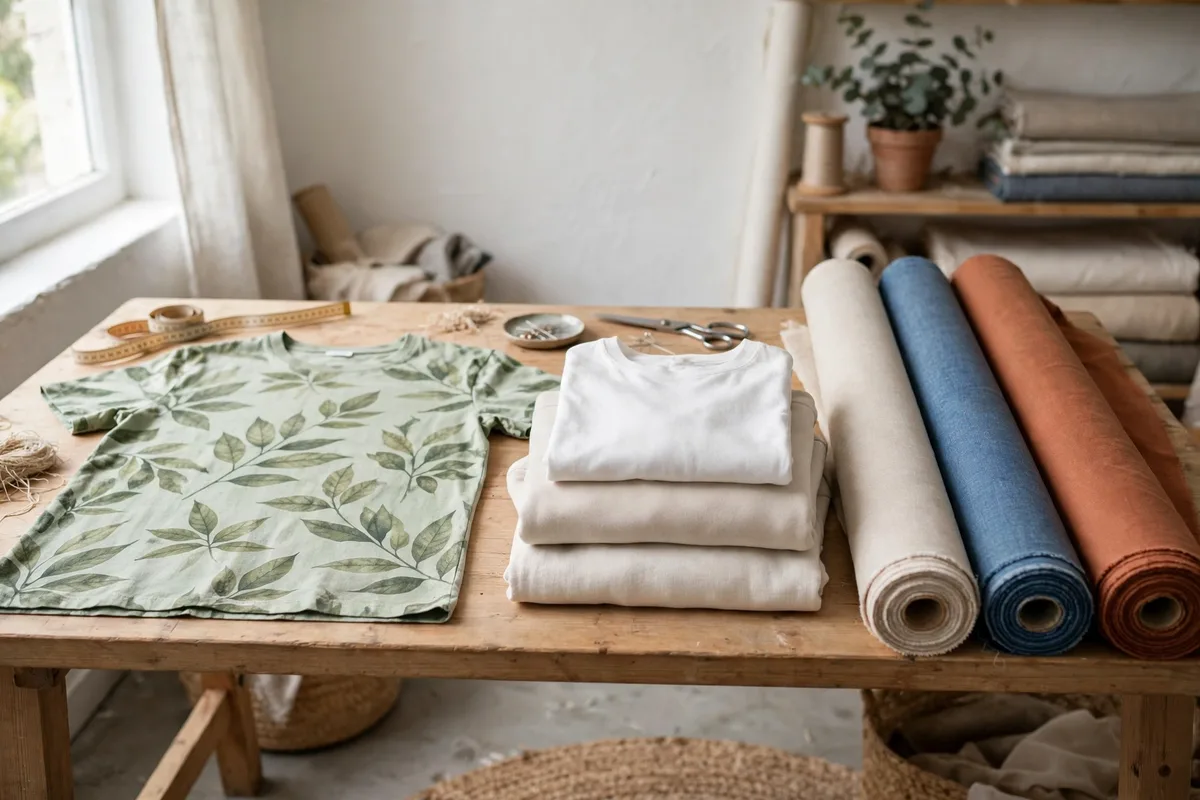
Print-on-demand is the cheapest way in. A partner prints each shirt only after a customer orders it, so you hold no stock and pay no warehouse bill. Your money goes to designs, samples, and the store, and each sale keeps a thin margin because the printer takes its cut first.
A small batch run sits in the middle. You buy 50 to 200 pieces of each style from a manufacturer, or you buy blank garments and print them yourself. The stock costs real money up front, but each piece costs less than print-on-demand, so the margin on every sale is wider.
Custom cut-and-sew is the full build. You design the garment, buy the fabric, and pay a factory to cut and sew it, usually with a minimum of 100 pieces per style. The cost is the highest of the three, and so is the control, because the fit, fabric, and finish are all yours.
Paperwork first: the cheapest step

Start with the legal shape of the business. A sole proprietorship costs almost nothing to set up, while an LLC costs a filing fee that varies by state, so there is no single national figure. Our guide to LLC vs sole proprietorship for a clothing brand walks through which shape fits a new fashion founder.
Your tax ID is free. The IRS issues an Employer Identification Number online in minutes, and the IRS warns that you never have to pay a fee for one. Any website charging for an EIN is selling you a free form, so apply on the IRS site and keep that money for fabric.
Local permits depend on where you live. Some cities ask for a general business license, and some states ask for a seller’s permit before you charge sales tax. A resale certificate lets you buy wholesale stock without paying sales tax on it, and the fees are small in most places.
Design, tech packs, and samples

Design starts with the logo and the look of the brand. Free design tools can carry a first logo for nothing, and a freelance designer usually charges $100 to $500 for a logo set. An agency will charge thousands, which is money a new brand should spend on product instead.
A tech pack is the document a factory builds from. It shows the measurements, the fabric, the stitching, and every detail of one style, and a freelance technical designer usually charges $150 to $500 per style. Without one, factories guess, and their quotes for the same garment can differ by hundreds of dollars.
Samples turn the drawing into a garment you can hold. Expect $100 to $500 per style for each round, and plan on two rounds before the fit is right. The second round fixes what the first taught you, and skipping it is how founders end up with a bulk order of shirts that fit nobody.
Featured Insight: Samples look like a cost to skip, but they are the cheapest insurance in the whole budget. One bad bulk run costs more than ten samples, and it costs your name too.
Your first production run
With print-on-demand there is no production run to pay for. Each shirt prints only after a customer orders it, and the printing cost of $10 to $25 sits inside the price you set. You spend nothing on stock, and you earn less on each sale, which is the trade for starting with no risk.
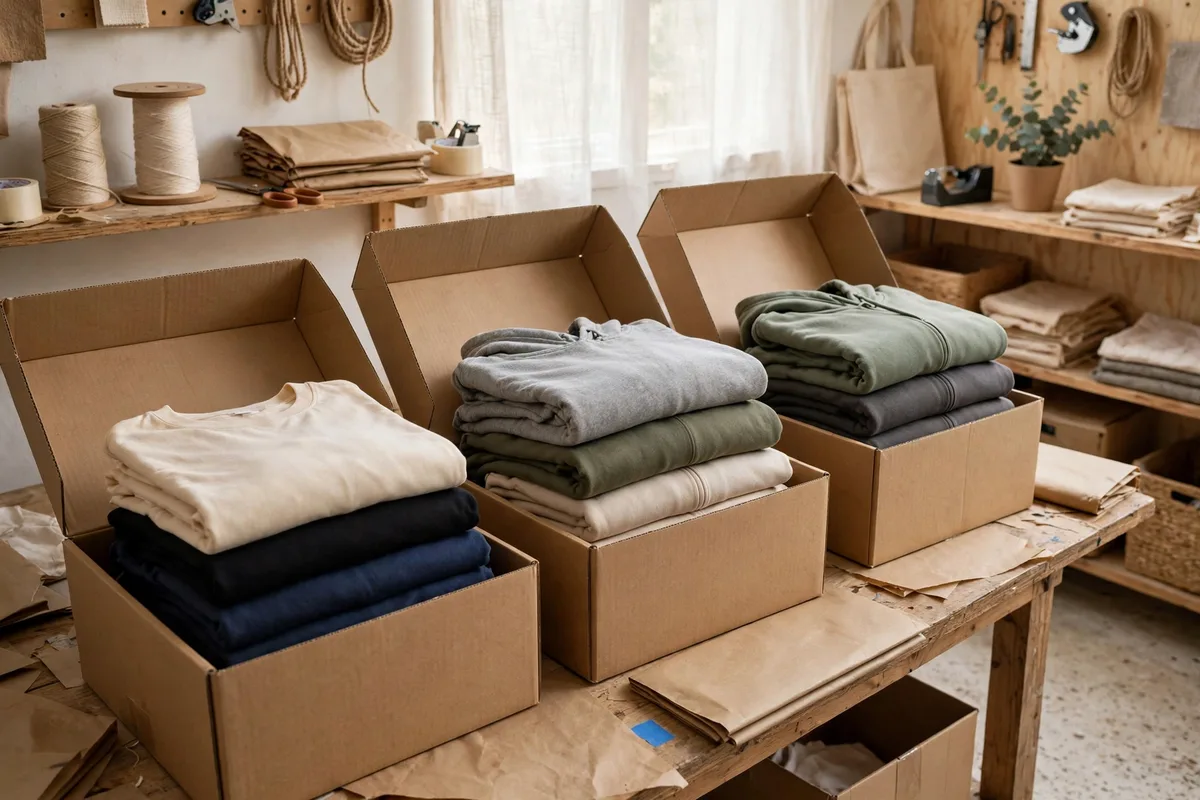
A small batch run means buying stock. At 50 to 200 pieces, a basic tee usually costs $8 to $18 per unit, and a hoodie $15 to $35, with the price falling as the order grows. A first run of two or three styles usually lands between $2,000 and $5,000, fabric and trims included.
Custom manufacturing is a bigger commitment. Minimum orders start at 100 pieces per style, and fabric, trims, labels, and shipping all add to the unit price. A focused first collection of one to three styles usually costs $10,000 to $25,000 to produce, which is why most founders start smaller and grow into custom work.
Order fewer styles with more depth, not the other way round. Dead stock is the budget killer, because every unsold shirt is money sitting on a shelf. Before you order, work out the price each piece must sell for; our guide to how to price your clothing shows the math that keeps a brand alive.
The store: where you will sell, and what each sale keeps
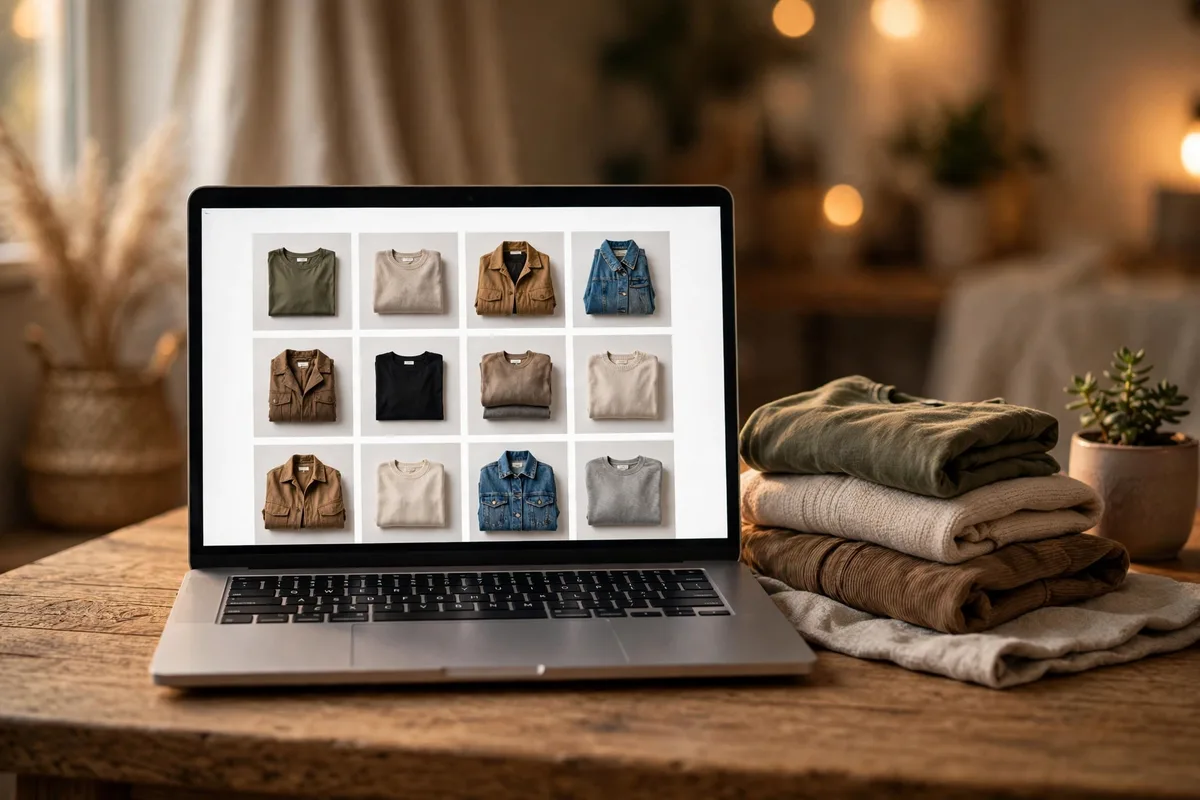
A Shopify store is a home for a new brand. The Basic plan costs $39 a month on monthly billing, or $29 a month on yearly billing, checked 23 Nov 2026. A domain adds about $10 to $15 a year, and a free theme is fine at launch, so year one can cost under $500.
Etsy charges no monthly fee to open a shop, which is why many founders start there. Each listing costs $0.20 for four months, Etsy takes 6.5% of the price plus shipping, and payment processing adds 3% plus $0.25 per order for US sellers. Rates checked 23 Nov 2026 on Etsy’s official fees page.
Here is what that means on one sale. A $40 tee on Etsy pays $2.60 in transaction fees, $1.45 in processing, and $0.20 for the listing, which adds up to $4.25. You keep $35.75 before the cost of the shirt, so fees take about 11% of the price, not the few dollars many founders guess.
Shopify takes its cut differently. The card rate on the Basic plan is 2.9% plus $0.30 per order, and there is no marketplace transaction fee, because the store is yours. But traffic is the trade: Etsy brings shoppers to you, while a Shopify store waits for shoppers you send yourself.
Photos, labels, and packaging
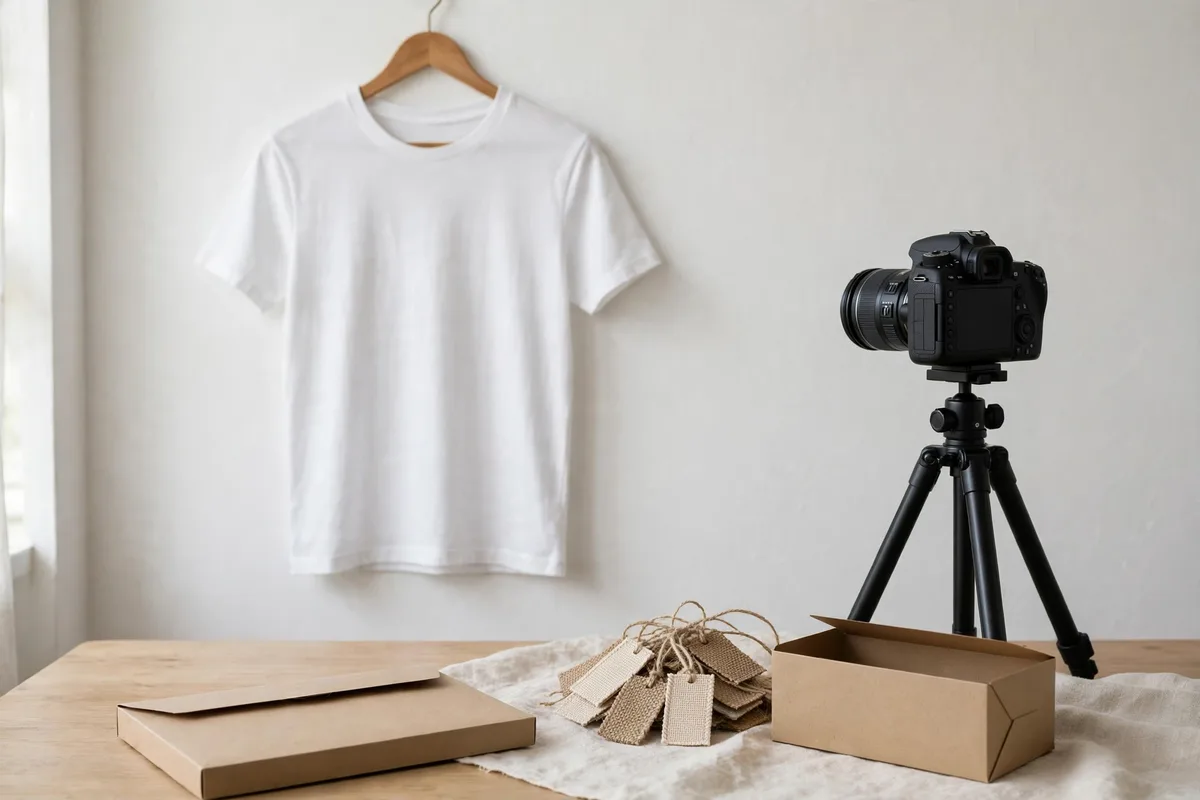
Photos sell the shirt before anyone touches it. A phone, daylight, and a plain wall can carry your first product photos for almost nothing, while a professional shoot with a model usually runs $500 to $3,000. Good photos are worth more than a second style, because a blurry listing wastes the production money behind it.
Labels and tags are small money per piece, but they add up. Woven neck labels usually cost $0.20 to $1 each at small quantities, and hang tags run about the same. Order them with the production run, because a second order later means a second shipping bill for a box of labels.
Packaging is the last touch the customer sees. A mailer, tissue paper, and a thank-you card usually cost $1 to $3 per order at small volumes. Keep it simple at launch, because fancy boxes impress nobody if the shirt inside disappoints, and simple packaging leaves money for the next order.
The costs nobody puts in the budget
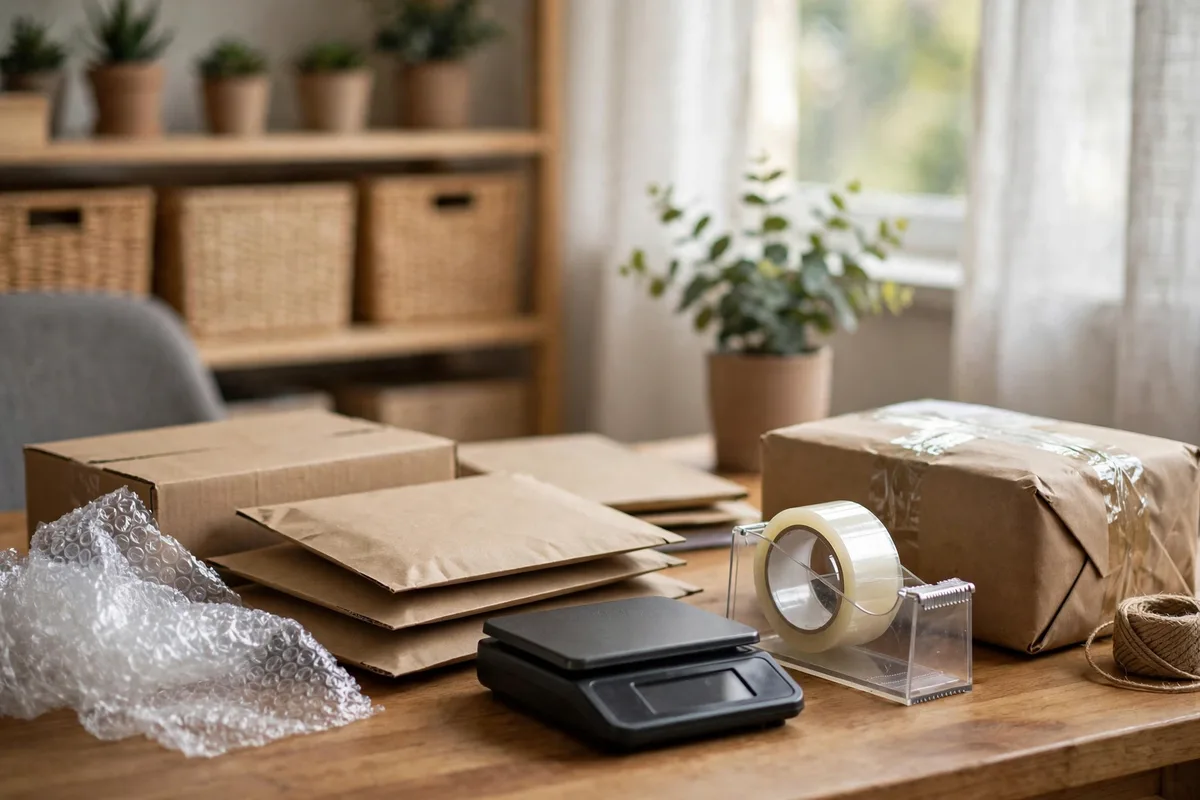
Shipping eats budgets. You pay to move stock from the factory to your door, then again to send each order to a customer, and the mailers, tape, and labels add a little more. Get shipping quotes before you price anything, because a heavy hoodie can cost twice as much to post as a tee.
Returns cost money even when you do everything right. A customer orders the wrong size, the shirt comes back, and you pay the return postage and sometimes a refund as well. Budget for a few returns from the start, and write a clear size guide so fewer orders come back at all.
Launch marketing needs a budget line too. A lean launch can run on $100 to $300 of small ads and free content, while a small batch launch usually needs $300 to $1,000 to reach its first customers. Content costs time, not money, so a founder short on cash can start with almost no ad spend.
A trademark protects the name once it starts to mean something. The USPTO charges $350 per class for an online application, and clothing sits in Class 25, so one class usually covers a new brand. It can wait until sales prove the name, but budget the fee before the name grows too big to change.
Spend on the garment and the photo first, because fancy packaging on a shirt nobody can see clearly is money in the wrong place.
The full picture: one table, three budgets
Now add the buckets together. The table below totals the same seven costs for each of the three models, using the ranges from the sections above. Your own number may sit between two columns if you mix models, which many founders do, starting lean and moving to small batch once sales prove the idea.
| Cost | Lean test (print-on-demand) | Small batch | Full custom |
|---|---|---|---|
| Paperwork and setup | $0 to $150 | $150 to $500 | $300 to $1,000 |
| Design and tech packs | $0 to $200 | $500 to $2,000 | $2,000 to $5,000 |
| Samples | $100 to $200 | $500 to $2,000 | $1,000 to $3,000 |
| First production run | $0 | $2,000 to $5,000 | $10,000 to $25,000 |
| Store and selling fees | $100 to $300 | $300 to $600 | $500 to $1,500 |
| Photos, labels, packaging | $100 to $300 | $500 to $1,500 | $1,500 to $4,000 |
| Launch marketing | $100 to $300 | $300 to $1,000 | $1,000 to $3,000 |
| Total to launch | $400 to $1,450 | $5,250 to $12,600 | $16,300 to $42,500 |
Read the table as a planning range, not a quote. Prices move, suppliers differ, and your state sets its own filing fees, so check the official fee or price before you spend. The table is still useful, because it shows which bucket holds your money, and that is where the careful choices pay off.
This guide is general information, not financial, legal, or tax advice. Costs vary by state, supplier, and timing, so check the current fee or price on the official site before you spend, and talk to an accountant or a lawyer before you make a big decision.
Questions founders ask about startup costs

Can I start a clothing brand with $500?
Yes, with print-on-demand. You need a store, a few designs, and samples to check the quality, and $500 covers those if you do the design work yourself. The trade is margin: each sale keeps less than a batch run would, so treat the first months as a test, not a payday.
Can I start a clothing brand with no money?
Almost, but not quite. You can design with free tools, sell through print-on-demand, and spend nothing on stock, but samples and a domain still cost a little. Our guide to starting a clothing brand with no money shows the closest thing to a zero-cost launch, and where the first dollars go.
What is the cheapest way to start a clothing brand?
Print-on-demand on a marketplace like Etsy. You pay no monthly store fee and no stock cost, and each listing costs $0.20, so the launch can stay under $500. The catch is the fees on every sale, which take about 11% of the price, plus the thin margin print-on-demand leaves you.
How much should I budget for my first production run?
For a small batch run of two or three styles, plan on $2,000 to $5,000. That covers the garments, fabric, and trims at 50 to 200 pieces per style. A custom cut-and-sew run costs more, usually $10,000 to $25,000, because fabric, patterns, and minimum orders all add up at once.
Do I need a trademark before I launch?
No, you can launch first and file later. The USPTO charges $350 per class for an online application, and clothing sits in Class 25, so one class usually covers a new brand. File once sales prove the name is worth protecting, and check the name is free before you print it on anything.
How long does it take for a clothing brand to make money?
Usually months, not weeks, and no guide can promise a date. A lean launch can cover its small costs with a few dozen sales, while a custom line needs hundreds of sales to pay back $16,000 or more. The fastest path is a small range, honest prices, and steady selling, not a big launch day.
Build your number, then start small
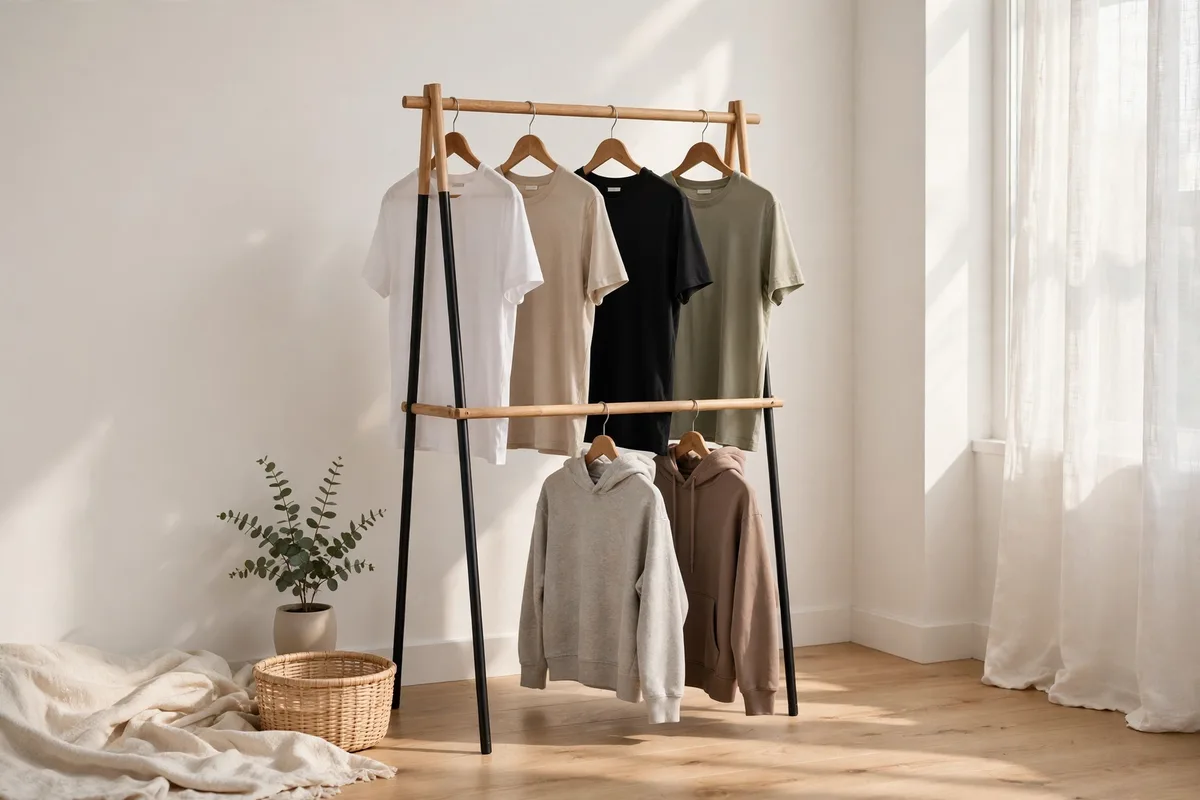
Your budget is the model plus the buckets. Pick the model first, add the seven costs from the table, then add 10% to 15% for the surprises every launch brings. That buffer is not waste; it is the difference between a delay and a dead launch when a shipment runs late.
Start with one to three styles and prove them before you grow. Sell the first run, listen to what customers say, and reorder the winners before you design anything new. Our step-by-step guide to starting a clothing brand walks the whole route, from the first idea to the first sale and beyond.
The budget is a plan, not a wall. A founder who starts lean, learns from real sales, and grows the budget with the business usually goes further than one who waits to save a perfect amount. Pick your model, add your numbers, and start with the smallest version that is still real.
Related Articles



Emily Carter: Emily covers the business side of fashion: starting a clothing brand, running a boutique and selling fashion online. She writes practical guides on fashion marketing, pricing and growing a small fashion label. Contact: contact@businessturnpoint.com